All posts by admin

Redford’s Impact on Family, Film, and Healing: A Personal Reflection

It’s been over a week since the sad news of Robert Redford’s passing reached the networks, the social media outlets, and a global community of broken hearts.
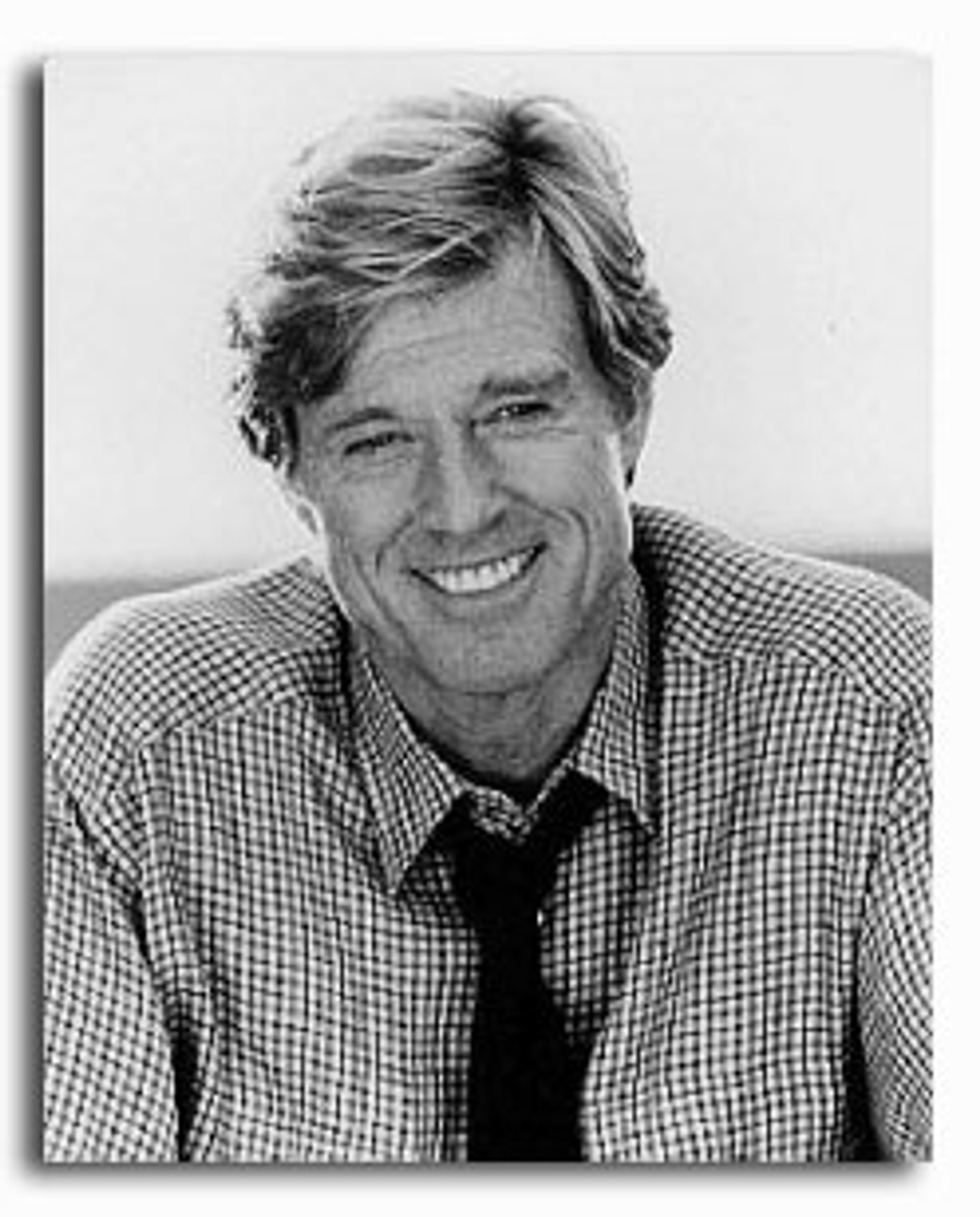
Like many, I cried real tears over his death—that’s how meaningful this man, this world-famous Hollywood star, was to me. With my being an undisputed daddy’s girl in a dysfunctional family, he was possibly the most significant role model in my life altogether, lacking any other serious male guidance.

And yet, I have not been able, or willing, to express in words why this man was so important to me.

The information overload made it hard to focus, and I knew I was not the one who would be writing the summary of his accolades, which is so vast that it’s difficult to even condense into one article. I did, for a moment, consider writing a defense of his acting skills and how he should have been awarded a posthumous honorary Oscar for his work as an actor, but then I found out that he had already been awarded an honorary Oscar in 2002 for his work. There went that story.

We have also heard numerous accounts of how Mr. Redford has impacted many working people in the movie industry, with Scarlett Johansson being one of his most prominent mentees. Inspired by him, she has finally stepped behind the camera and directed her first movie, Eleanor the Great, which premiered at the Cannes Film Festival in May 2025 and will be released in theaters this coming weekend (September 26).

So, what am I to say about Mr. Redford, whose path I have never crossed? What tribute can I make?

The story I am going to tell you has a lot to do with the content of his work in The Horse Whisperer.

The Horse Whisperer is, on the surface, a story about horses. But anyone who has read the book or seen the movie knows that it’s really about growing up in a broken family. The accident that Johansson’s character, Grace MacLean, experiences, and the injured horse, Pilgrim, that the mother, Annie MacLean, decides to keep despite the veterinarian’s advice to spare him the pain, symbolize her willingness to fight not only for Pilgrim’s survival, but also for her family’s. She knows that if the horse doesn’t make it, her family won’t either. And she can’t risk that.

The mother’s character reminded me of my mom (also a New Yorker), who would drive me to the horse stable for my riding lessons, but would always be late when picking me up in the evening. To this day, I can hear her keychain jingling when she finally showed up at the riding school, after all the other students had already been picked up, the horses put back into their stalls, and fed. My mom was busy working for my dad’s company. At the same time, Annie MacLean was the editor of a prominent New Yorker fashion magazine.

At the riding stable, on the one hand, I felt abandoned by my mom because I was always the last one to be picked up. On the other hand, I had found a second family. I loved sitting up there in the gallery overlooking the hall, and watching Renate, the riding teacher, jump her English purebred Laska over obstacles that seemed higher than I was tall. I was so impressed with her skill and her insistence on making it over the hurdle, even when Laska didn’t, that I couldn’t stop looking. And the owner, Mr. Keller, finally had the time to take out his beloved colt Robin and groom him—oh, how he spoiled him.

In the movie, Grace is embarrassed and broken because of her leg injury. She, herself, must learn to walk again, just like Pilgrim, her horse, has to learn to be a horse again and not a freaky monster.

Enter Robert Redford, aka Tom Booker, the horse whisperer, whom Annie has hired to “fix” Pilgrim. In the story, Booker understands, with the intuition of a blind man, that it’s the family that needs healing foremost.

I grew up in an alcoholic family. My father was a lifelong drinker. He liked alcohol so much that my mom had to buy a bottle of alcohol-free wine to serve him on his deathbed. It was one of his last wishes. God bless his soul. Even though I had harbored all this anger over his absence all these years (my mom used to call him “the ghost”), it almost makes me smile when I think of how he insisted on drinking wine when he was dying. That’s just who he was. My dad really loved wine. I can’t blame him for it anymore. After all, wine is one of the wonders of this world.

Still, when I was a teenager, I wished, oh, how I wanted my family to have a Tom Booker who came in and fixed us. Tom Booker never came, but The Horse Whisperer did—on TV. As a girl who loved horseback riding, it was a story made for me. It helped—a little.

But it wasn’t just the horses. It meant something that the actor who played Tom Booker was Robert Redford.

Redford was somewhat of a “familiar” figure in our family. My mom had once admitted that if I had been a boy, she would have named me Robert, after Mr. Redford. Of course, when my son was born, I had to transfer that name straight over to him. Even though he prefers to be called by his middle name, Max, today his first name is still Robert, as in Robert Redford. Funny, how the hair almost works.

But it wasn’t only my mom. My dad, who had little interest in Hollywood except for the occasional James Bond movie, was a self-taught piano player.

A virtuoso on the piano, he was deeply passionate about classical music. His favorite composer was Chopin. But all that music was terribly heavy and dramatic, like my dad, my mom, and my whole family conundrum, and the fighting.

I could tell, though, when my dad was in a good mood. When he was happy, he played The Entertainer by Scott Joplin. As many of you know, Scott Joplin wrote the soundtrack for the 1973 gangster film The Sting, which starred Robert Redford and Paul Newman.

This was one of the few things that my parents agreed upon: The Sting was one of the most brilliant stories ever made. And so, The Entertainer became a household tune when there was joy in the house, which, admittedly, was rare.

My mom was infatuated with Out of Africa when it came out and watched it with me. Of course, I immediately became infatuated with it, and the handsome-looking Denys Finch, too. The fact that one of the lead tunes of Sydney Pollack’s masterwork was a Mozart symphony, again, hit home. Classical music was a part of our family culture, a love language, and Mozart was one of my dad’s favorites.

When my dad died and I had to clear out his apartment, I packed boxes after boxes of multi-CD trays for his carousel player—all stuffed with recordings of classical music. It would not have been difficult to divine what my father’s other passion was, judging from his boxes: classical music.

I believe Mr. Redford must have had a soft spot for classical music, too, or maybe it was just his Tom Booker character in The Horse Whisperer, whose love of his life was a classical violinist who couldn’t live in Montana because she needed to play in the city.

It was classical music that brought my parents together. My mom, an unlikely rebel during the late fifties for having lived with a roommate in New York City instead of with her family in the suburbs, was working as an office assistant at the time.

My dad, meanwhile, had been studying at a university, earning his MBA while working for BASF. On the weekends, he and his buddy would hit the city.

One day, my mom’s roommate came to her and said, “Hey, my friend knows this guy who always has tickets to the Met. Do you want to go?”

My mom accepted the invitation. The guy with the tickets was my dad. It’s a love story that’s hard to beat, even if it wound up being a dysfunctional one. I yet have to write mine.

The dysfunction in my family and the emotional intoxication became unbearable to me as an adult, so I decided to move to Los Angeles to pursue my own dreams.

One of my dreams was to write a story for Mr. Redford and have him march into my mom’s apartment, in a sort of revenge act, a kind of payback for my dad’s misogyny toward my mom.

That never happened. The story that I wrote needs to be “fixed”—like so many of my stories, and maybe even, my life.

Still, one thing is sure: In a life that has seen so much dysfunction, misogyny, and disrespect, Robert Redford’s influence has been healing. It is maybe even thanks to Mr. Redford that I can appreciate my family a little bit more today and laugh about it.
WHY WRITERS IN HOLLYWOOD NEED TO STOP HAVING THEIR BAD GUYS PUT MONEY INTO SWISS BANK ACCOUNTS

by Christina Przybilla

If you are a U.S. citizen or resident alien, the rules for filing income, estate, and gift tax returns and paying estimated tax are generally the same whether you are in the United States or abroad. You are subject to tax on worldwide income from all sources and must report all taxable income and pay taxes according to the Internal Revenue Code.

—www. irs.gov

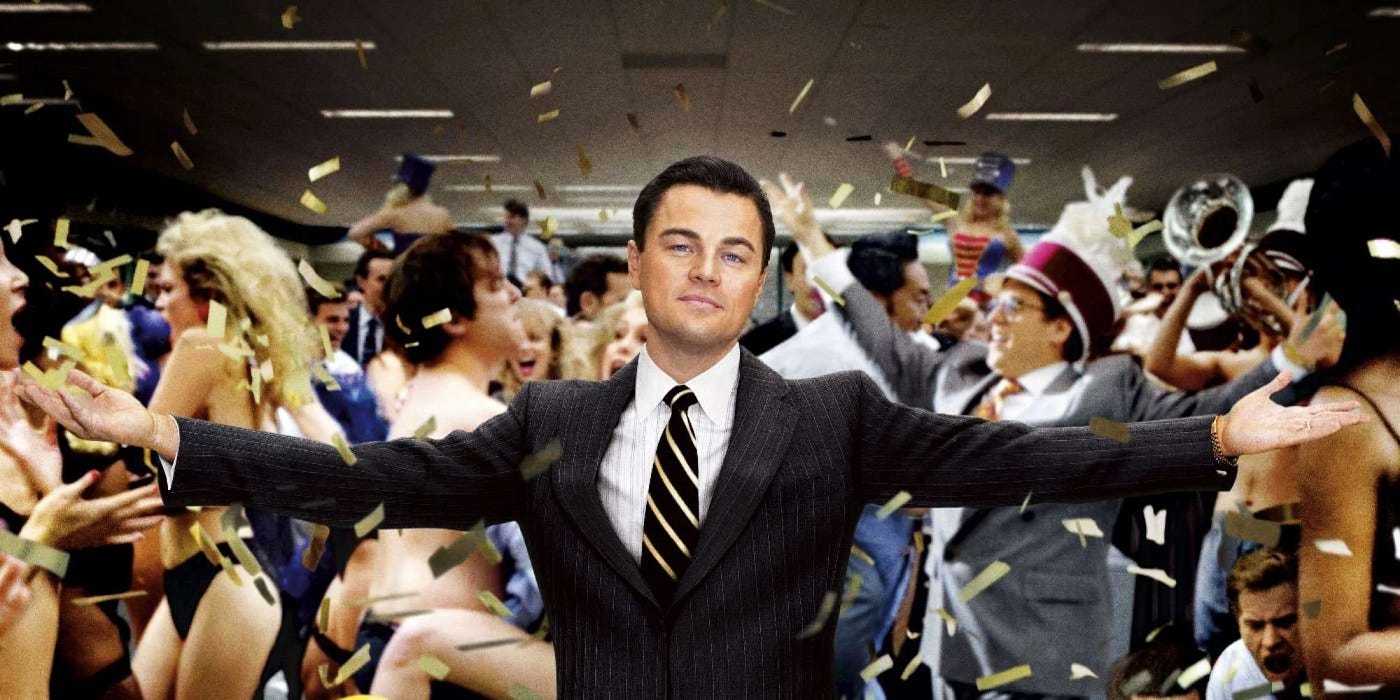
A confident man in a suit gestures with open arms amid a lively crowd.
Warner Bros.

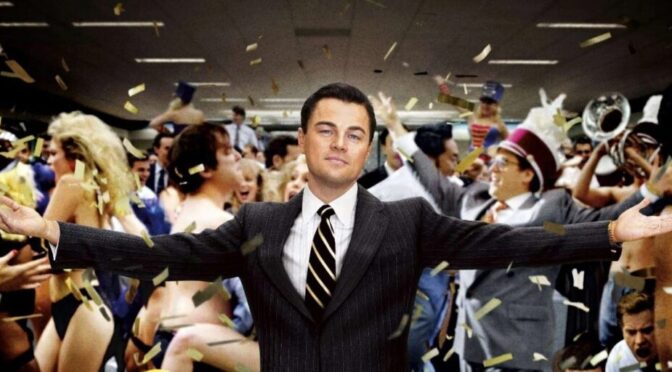
Remember when Leonardo DiCaprio, playing Jordan Belfort aka “The Wolf of Wall Street,” walked into the office of a Swiss bank and asked the banker character Jean-Jacques Saurel about their bank’s secret, and Jean-Jacques Saurel jokingly mentioned, “American plans to invade Switzerland in a couple of months?” In retrospective, the joke about an American invasion and “tanks rolling down the Rue de La Croix” came almost ironically at a time when Swiss banks were dealing with a different form of American invasion, that of their banking system: the very same bank secret that had allowed Jordan Belfort to hide his illegally earned money by using someone else’ identity was now under attack from the State Department because too many American expatriates had not been paying their taxes as required per the above-quoted American tax code.

It would only be a year after the release of the movie, in 2014, that the managers of the Swiss banks pleaded guilty to aiding American citizens evade taxes in the famous case of the American Justice Department versus Swiss banks. A few months later, in March 2015, the American Justice Department imposed a whopping $1.3 billion on a total of 80 Swiss banks as a penalty for their admitted aiding of tax evasion. Since that day, the relationship between Swiss banks and American citizens, criminal or not, has never been the same. Swiss banks were forced into total compliance.

Because of this “clerical invasion,” American citizens were, from hereon, forced not only to declare their American citizenship to the Swiss banks but also to sign a W9. It is of little consequence what kind of background the American citizens came from. Honorable or not, American citizens could no longer fly under the American tax radar.

Today, if you have an American passport, it will take some persuasion skills, a lot of paperwork, and a lot more money than the average citizen has to convince a Swiss bank to let you continue or start business with them. Also, all the information that you give them will be disclosed to the IRS. So, no more bad guys hiding cash in La Suisse, please. It just doesn’t work that way anymore. While it is still possible that wealthy Americans will have an easier time opening or keeping accounts in La Bella Svizzera, it is practically impossible for these rich people to hide their dollars from the IRS. The banks will declare their funds. So why bring them there?

Another consequence of these newly imposed rules between US clients and Swiss banks is one that few people know of. Many Americans, especially those who are of average income, were forced to close their accounts simply because the Swiss banks, who viewed their new relationship with the IRS aka “police state” (source undisclosed) as interference, did not want to deal with the administrative effort it would take to manage their new and/or old clients’ business with the IRS. Old clients who’d had their accounts at these banks for years were turned away and forced to close them. Where were these people, many of whom had been living in Switzerland for more than half their lives, supposed to put their money: under their pillows?

A flurry of citizenship renunciations occurred, and it is certainly no coincidence that the fee to renounce one’s American passport, which cost US$450 until 2010, was raised to US$2,350 in 2014. The State Department knew that people who had spent most of their lives abroad weren’t going to be able to hold on to their citizenships if life had been made so difficult for them. Hence, the State Department made a nice little chunk of money on the side by raising the fee for these passport renunciations.

Enough about Swiss offshore reality. Let’s return to Hollywood fiction and the problem of where to have bad guys hide their ill-gotten gains. If Hollywood wants to be taken seriously not only by local producers but by citizens of the world, they have to stop having their villains hide their money in Der Schweiz and start finding some new and more original places that are not under such strict scrutiny as the banks in Switzerland for their villains to stash their cash.

If they want to stop using the old cliché and genuinely create something original, they could refreshingly explore the plot twist of American expatriates who have been living in Switzerland all these years and suddenly changed their citizenship. Was it just manageability that drew them to renounce the little blue booklet, or was there an ulterior motive?

Joel Forrester Trio Live in Lyon: August 17th & 18th

The year 2020 has been a trying time.

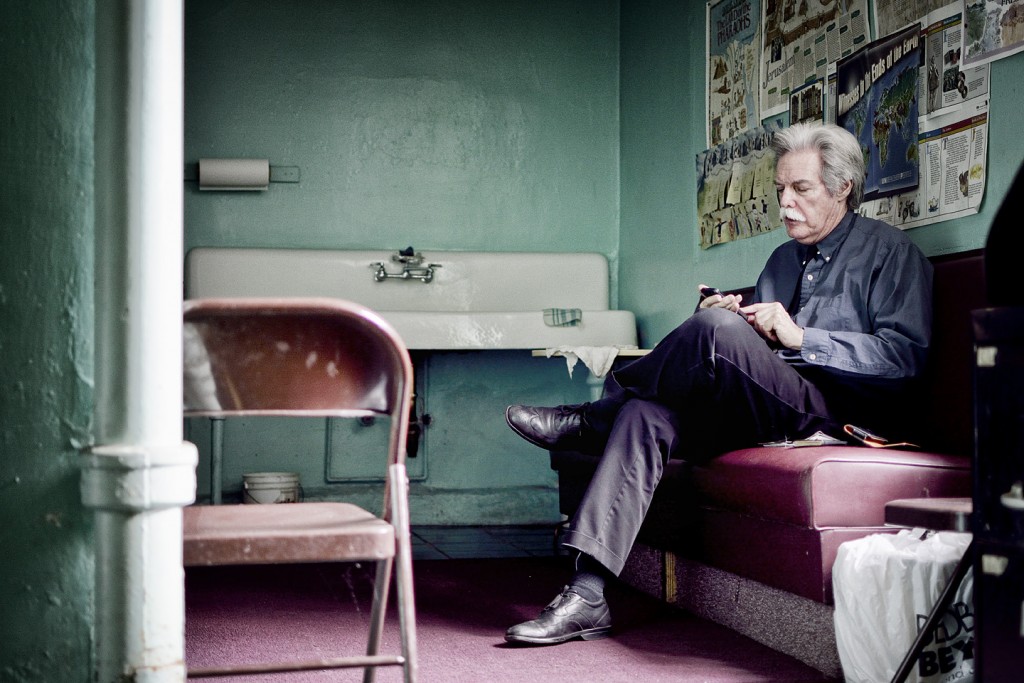
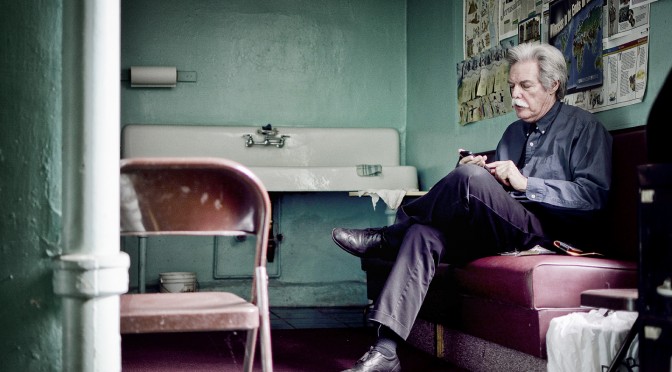
A man sitting thoughtfully on a bed in a sparse room.
Photo: Curtesy of Joel Forrester

Most of us have been stuck at home, unable to attend all the concerts, plays, movie screenings we had planned to see thanks to the persistent threat of the Covid-19 pandemic.

Cabin fever is getting to us all, and not only our hairdos are out of whack, our mental health is being seriously challenged.

It is therefore with GREAT pleasure that we announce the LIVE CONCERT of our dear friend Joel Forrester, who has somehow managed to silently sneak away and get to LYON, France, where he and his Trio will be holding a JAZZ CONCERT on August 17th and 18th – can you believe that: LIVE AT THE OPERA!!!

The concert will be LIVESTREAMED and held during two sets at the following times: 10 am to 10:45 & noon to 12:45 Pacific Standard Time on August 17th and 18th.

To virtually attend the concert, click on the following link:

https://www.opera-underground.com/programmation/the-joel-forrester-trio/

Enjoy!

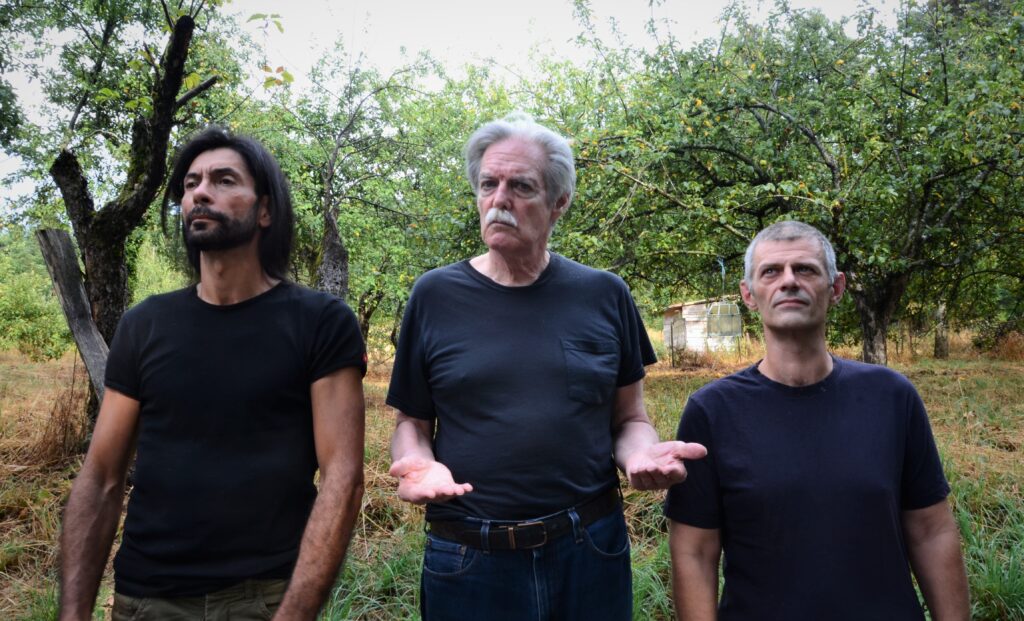
Three men standing outdoors, appearing thoughtful and engaged.
Photo: curtesy of Joel Forrester

CMP

The Old Man and the Gun


Review

Tucker: „I’d like to open an account.“

Banker: „Oh great, what kind of account do you have in mind?“

We hear the sound of a click.

Tucker: „This kind!“

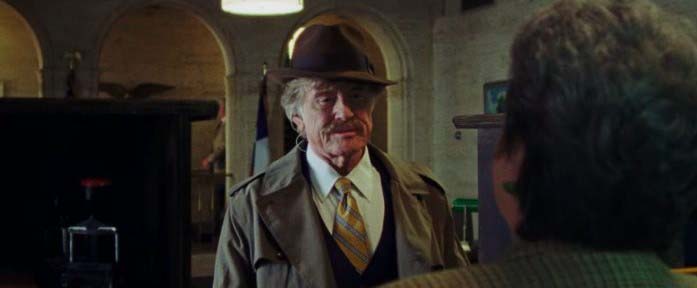
Elderly man in a trench coat and hat in a vintage setting.

That’s what this movie boils down to: an (old) man, Forrest Tucker, who escaped from St. Quentin at age 70 (true!) and likes to rob banks. A simple, straightforward, almost laid back plot, considering that this a crime genre.

A first-class cast starring Robert Redford in his said-to-be final performance (never say never?) together with Golden Globe winner Casey Affleck (Manchester by the Sea) who looks funny in his 1980ties wardrobe, makes old and new fans happy. A surprise performance by musician and member of „Lee Marvin’s Son’s Secret Society” (founded by Jim Jarmusch) Tom Waits whom The Classic Motion Picture knows best from Jarmusch’s classic Down by Law. A nice innuendo for those who remember. And great performance by Danny Glover who completes the bank robber trio known as the ‚Over-the-Hill-Gang.‘

A portrait of a mixed racial marriage filled with love, which makes the overall atmosphere of the movie all the more realistic and enjoyable to watch (no, there is no conflict in this marriage between John Hunt (Casey Affleck), the cop who pursues Forrest Tucker, and his wife Maureen (Tika Sumpter). Just love.

Last but not least, a soundtrack by Daniel Hart, that sounds like something straight from Miles Davis, the perfect underscore to the love-based atmosphere.

What else? Nothing, maybe.

While this story is not the formula for a huge box office hit, it nonetheless is a special kind of treat for those who are no strangers to the names of Tom Waits, David Lowery, Casey Affleck, Danny Glover, and oldtimer, Robert Redford; and those who enjoy a bank being robbed by a gangster who looks and acts like a gentleman.

To go after the question of the use of his gun, we know that Forrest Tucker owns a weapon, as is clearly revealed when his girlfriend Jewel (Sissy Spacek), or just, the lady who he is dating, finds an old revolver in the glove compartment of his car. The glove-compartment. A total cliché, but where else would an old man put it? Forrest Tucker doesn’t ever use it for a robbery. He merely shows it. Wow! How subtle.

In this laid-back production by Fox Searchlight of one of America’s most popular genres, the crime genre, the title, The Old Man and the Gun, which alludes to Ernest Hemingway‘s The Old Man and the Sea for which Hemingway was awarded the Nobel Prize in Literature in 1954, could, therefore, also be seen as a comment on America’s culture, its men, and what they seem to love most: guns.

Thoughts about Feminism: Interview with Linda Ong, CEO of Truth Co.


Smiling woman with long dark hair resting her face on her hand.

Linda Ong, CEO Truth Co.

Christina Marlene: Dear Linda, I got to know you through the „Women in Entertainment“ inaugural event at the Arclight movie theatre in Hollywood 2015 where you moderated a discussion round aimed at revealing daily issues of women in power.

What was your overall impression of this event? Do you share the optimistic view that the breaking point has been reached and numbers will start looking different for women in 2016?

Linda Ong (Truth Co.): I think events like this are important. At the same time, the industry needs to acknowledge larger cultural shifts that may affect how messages are heard by people with millennial sensibilities (even if they’re not millennials). One of the challenges I called out in the last panel was the need for more outsiders (especially men) in the conversation. Of the 800+ attendees at Arclight, the overwhelming majority were women who were already deeply entrenched or interested in this conversation. To make change now, when women are increasingly aware and deploying their empowerment, we can’t keep preaching to the choir. I think there were seven men in the audience.

CP: How do you look at wardrobe in an industry as particular as the entertainment business? Is the exterior still the main criteria for getting a job? How should a woman who doesn’t want to subject herself to such scrutiny dress – and act? Is it even possible not to subject yourself to the exterior scrutiny of your body in entertainment and in society as a whole?

LO: The interesting thing about this “fourth wave†of feminism is that it’s very conflicted…read more

Interview with Joel Forrester


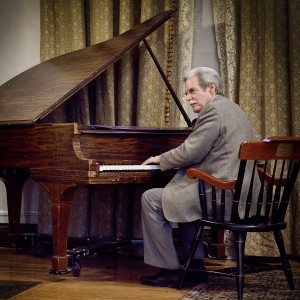
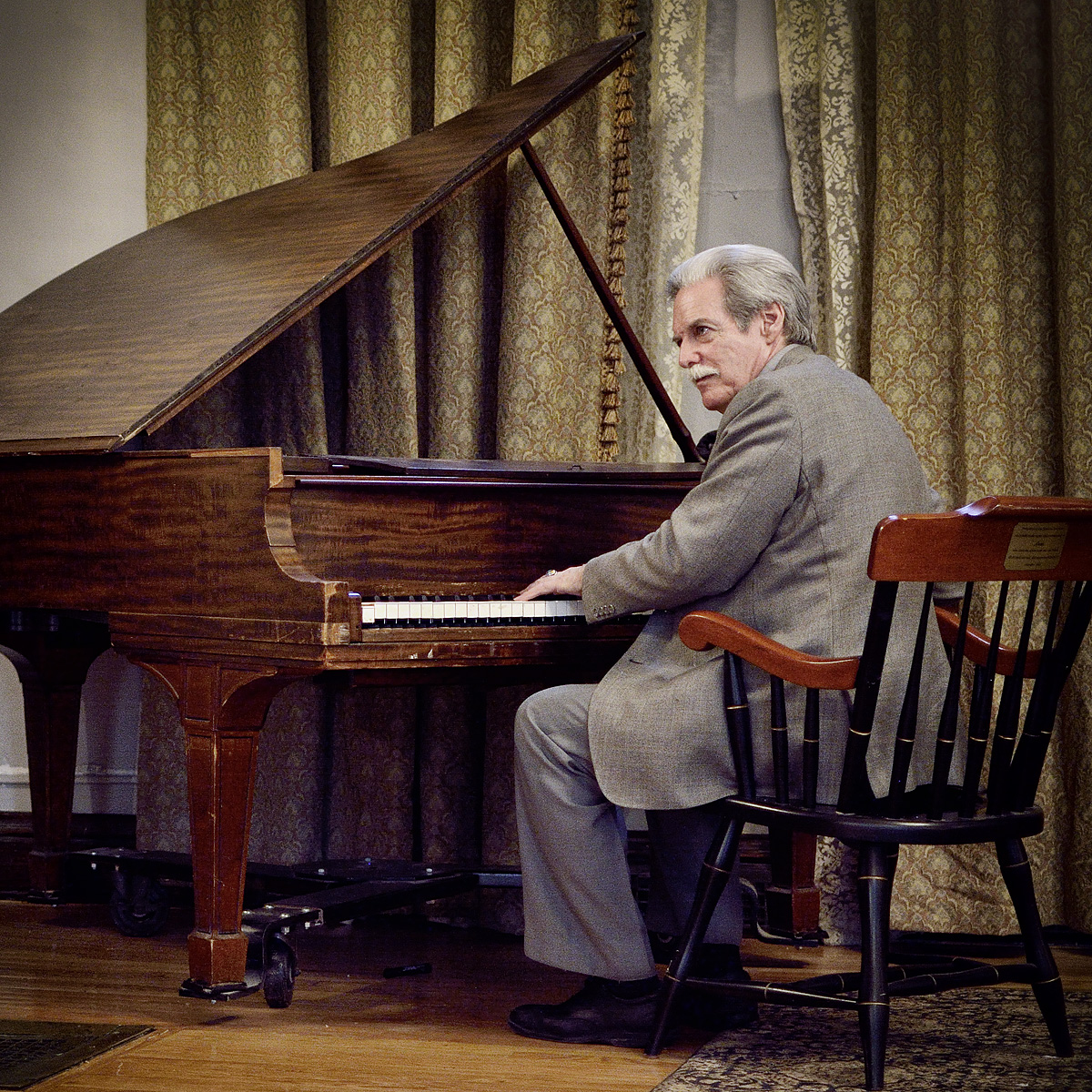
Elderly man playing a grand piano in a cozy room.

Joel Forrester, a former associate of Thelonious Monk and Baroness Pannonica protege, is the composer of more than 1600 tunes, a versatile and accomplished jazz pianist, leader of his own quintet and prolific recording artist. He has performed in an extraordinary diversity of settings – from large ensembles to a duet setting with a tap dancer! His playing draws from stride, boogie-woogie, bebop, trance and what he likes to call ‘salon pieces’ but each composition bears the stamp of this most individual artist.

Joel composed the theme for National Public Radio’s “FRESH AIR with Terry Gross. The theme has been broadcast more than 200,000 times in the last three years – it’s been played and heard coast-to-coast more often than any other jazz composition in American radio (both public and private stations) for the last 28 years! The theme from FRESH AIR can also be heard on his Ride Symbol CD, “STOP THE MUSICâ€, a collection that showcases Joel’s brilliance as a solo pianist.

Recognized by the Paris Free Voice as “the world’s leading accompanist to silent filmsâ€, Joel Forrester has given concerts with film in Paris at the Louvre, the American Center, the Forum des Images, and the Museé d’Orsay. For several years he performed with films in the Avignon Festival. In New York, he has played at the Film Forum, Brooklyn Museum, The Center for Photography, and Anthology Film Archives.

*for simplicity’s sake, we are going to call the Charlie Brown theme song “Charlie Brownâ€, tout simple. It was written by Vincent Anthony Guaraldi (* 17. Juli 1928 – 6. February 1976) an American Jazz Pianist and Composer.

For the full interview, click here

TRUE CHARACTER

“TRUE CHARACTER is revealed in the choices a human being makes under pressure – the greater the pressure, the deeper the revelation, the truer the choice to the character’s essential nature.”

– Robert McKee –

Inspired by this insight from one of the Industry’s most prominent leaders , the Classic Motion Picture proudly announces:

THE CLASSIC MOTION PICTURE is going back to school!!!

While we will be excited to explore the depths of screenwriting with even more pertinence than already,  we encourage you to continue submitting your work to us! The classes that we will be attending at NYFA will only be supportive of the work that we do, and yours!!!

Sincerely,

CMP


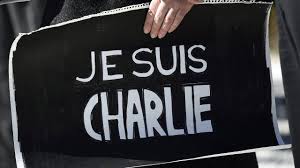
Solidarity with Charlie Hebdo


Banner with the phrase 'Je Suis Charlie' held by a person.

Terroristsmay have had their moment of euphoria by cowardly assassinating unarmed members of the press.

But we, at the Classic Motion Picture believe, that freedom of speech can and will never die.

At the Classic Motion Picture, we arecommitted to ending violence with our thoughts and our pens and our cameras and our minds;we support all those who express their views and opinions with an intention ofcreatingpeaceand freedomin the wholeworld.

In solidarity with the members of Charlie Hebdo

CMP

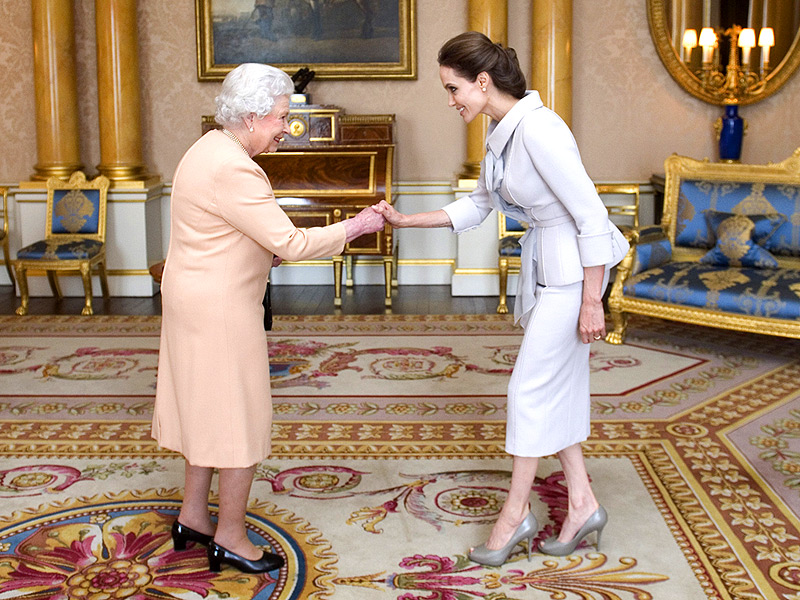
Angelina Jolie receives ‘Honorary Dame Award’ from Queen


A formal handshake between an elderly woman and a younger woman in an elegant room.

In a private audience held at Buckingham Palace on Friday, October 10th, the actress was awarded what can be regarded as the equivalent of ‘Knightship’ by Queen Elisabeth.

The 39 year old actress was bestowedthe award for founding of the Preventing Sexual Violence Initiative (PSVI) and the contribution she has made toward the British foreign policy objective of ending sexual violence in conflict.

Her recent wedded husband Brad Pitt, 50, as well as all the couple’s children Maddox, Pax, Zahara, Shiloh, Vivienne and Knox were also present during the reception of the award which lasted approximately 20 minutes.

Since this is considered a private audience, there was no press, hence no pictures of the actress’ family in the palace were taken.

The CMP congratulatesAngelina to this truly meaningful humanitarian achievement!